I have
history.
History · 1829 to today
First a fireworks laboratory, then a storage island, now a campus. Almost 200 years in three chapters.
14 ha
One of the large islands in the Havel
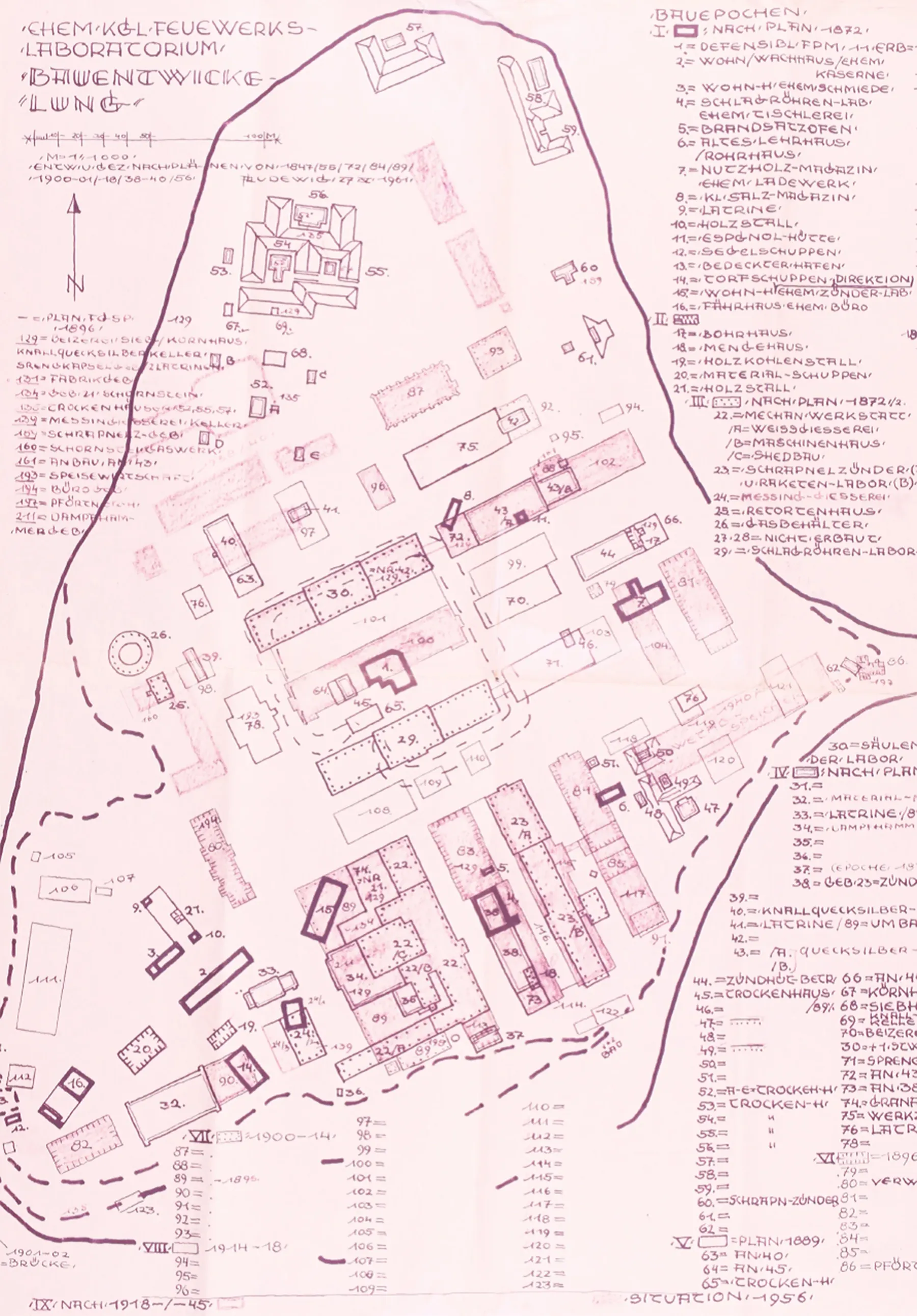
In 1829 the Royal Fireworks Laboratory moved over to me from Spandau Citadel. Of the site that grew here, I am the largest part that still looks the way it used to.
1829
The Fireworks Laboratory moves to the island.
1870–1910
The brick buildings that still stand today are built.
1903
The large Eiswerder bridge replaces the ferry.
1934
After the military comes storage.
1995
The buildings are listed as monuments.
Today
Studios, workshops, halls, events.
Chapter 1 · 1829–1918
The Laboratory
Things that go bang were made on me. Between 1870 and 1910 the brick factories you still see today went up one by one.
For a long time the workers could only reach me by a small ferry. The small Eiswerder bridge came in 1892 for the powder railway, the large one in 1903 for carts.
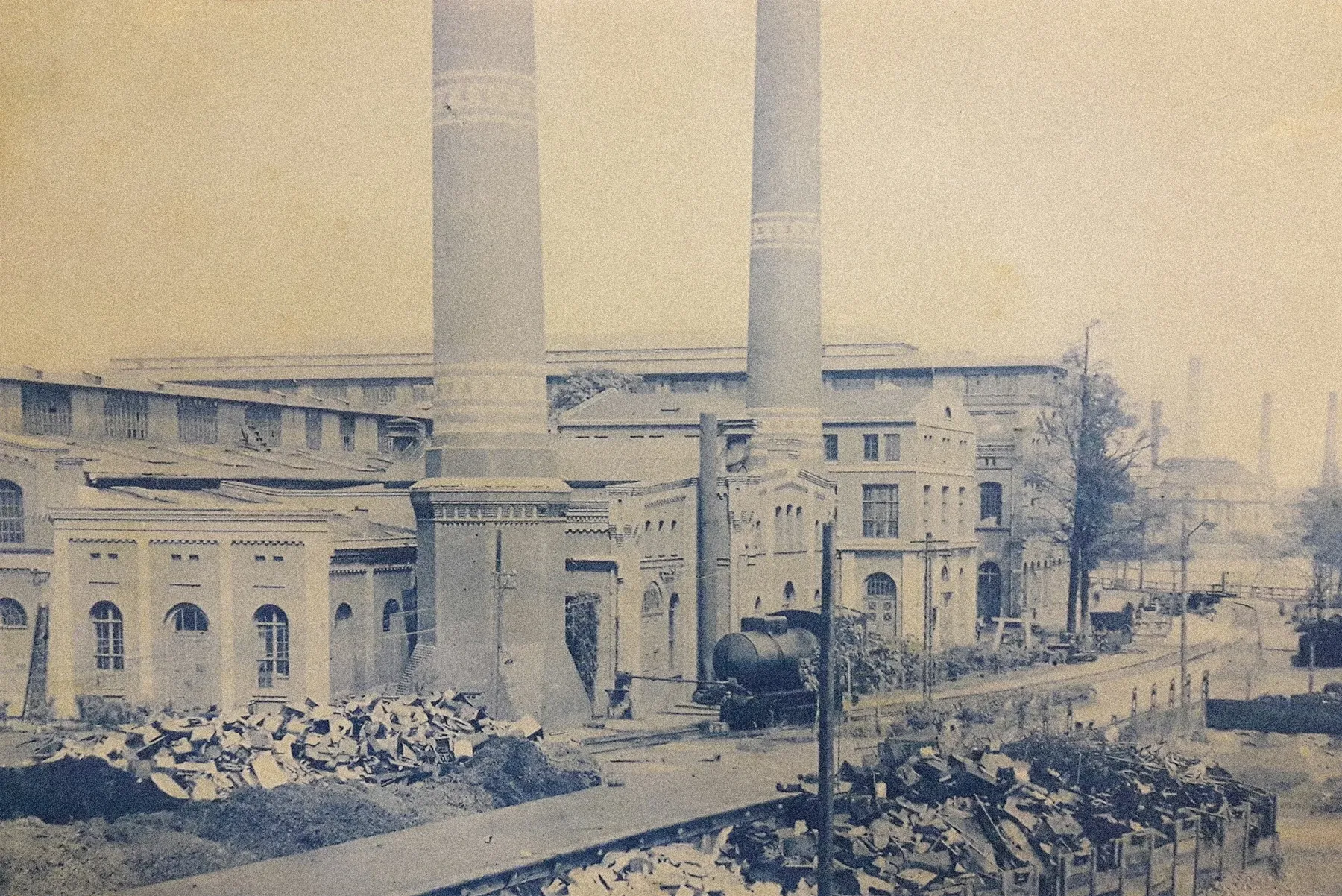
The railway carried powder from the powder mill on the opposite bank to the munitions factory. The large photo at the top shows buildings 121–130 in 1918.
Chapter 2 · 1919–1990
The Warehouse
With the Treaty of Versailles I lost my military role, and a quarter of my buildings were torn down. From 1934 Westfälische Transport AG used me for storage; a standard granary with a fire tower followed in 1938–1940.
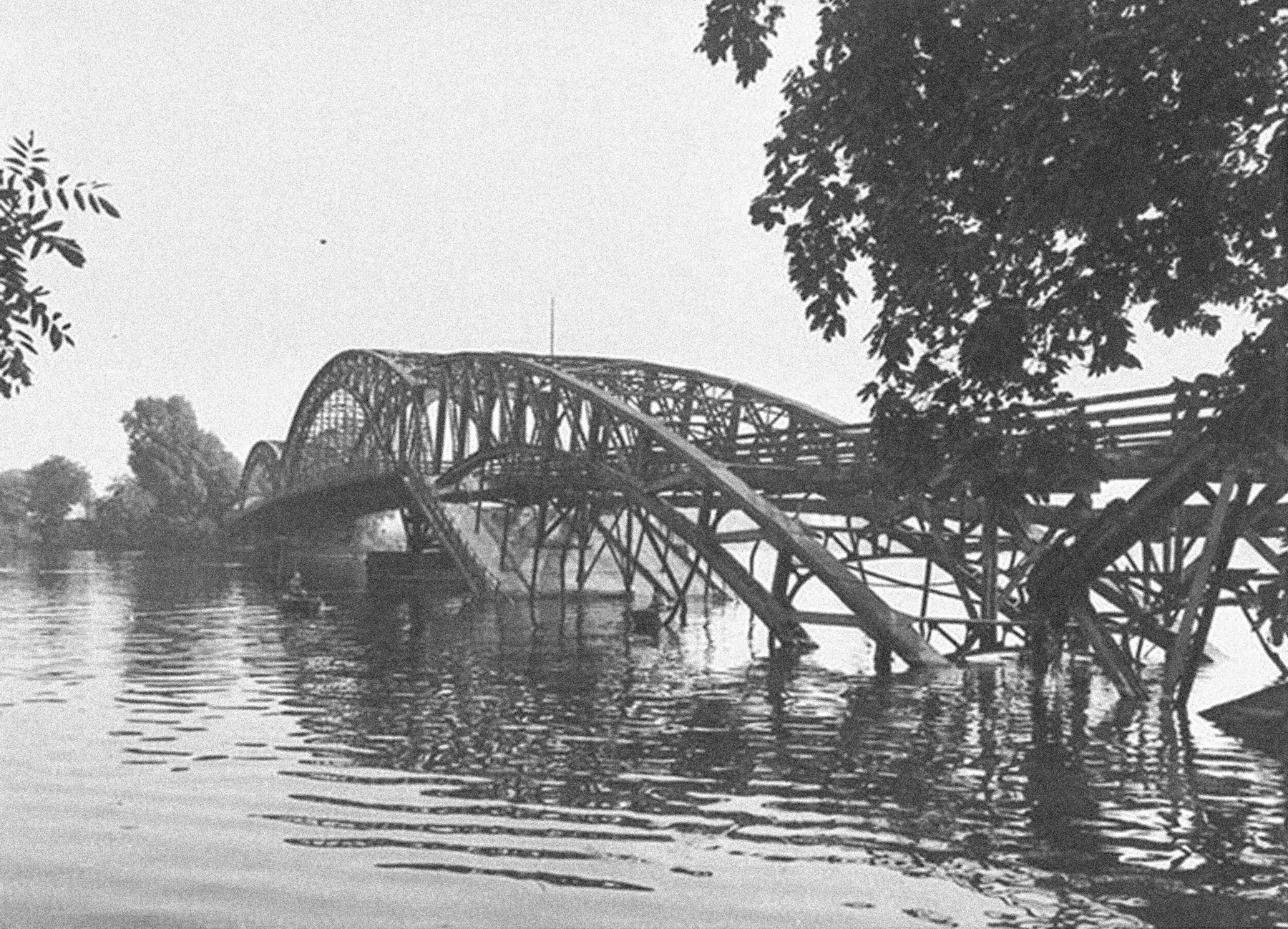
In 1945 the bridge was blown up; it was not rebuilt until 1958. After the war I stored food for West Berlin's Senate Reserve, later warehouses, events, TV studios and small businesses moved in.
Chapter 3 · since 1995
The Campus
Conversions had changed me here and there, but my fabric survived almost completely. That is why I was listed in 1995. The large warehouse was removed so my facades could be seen again.
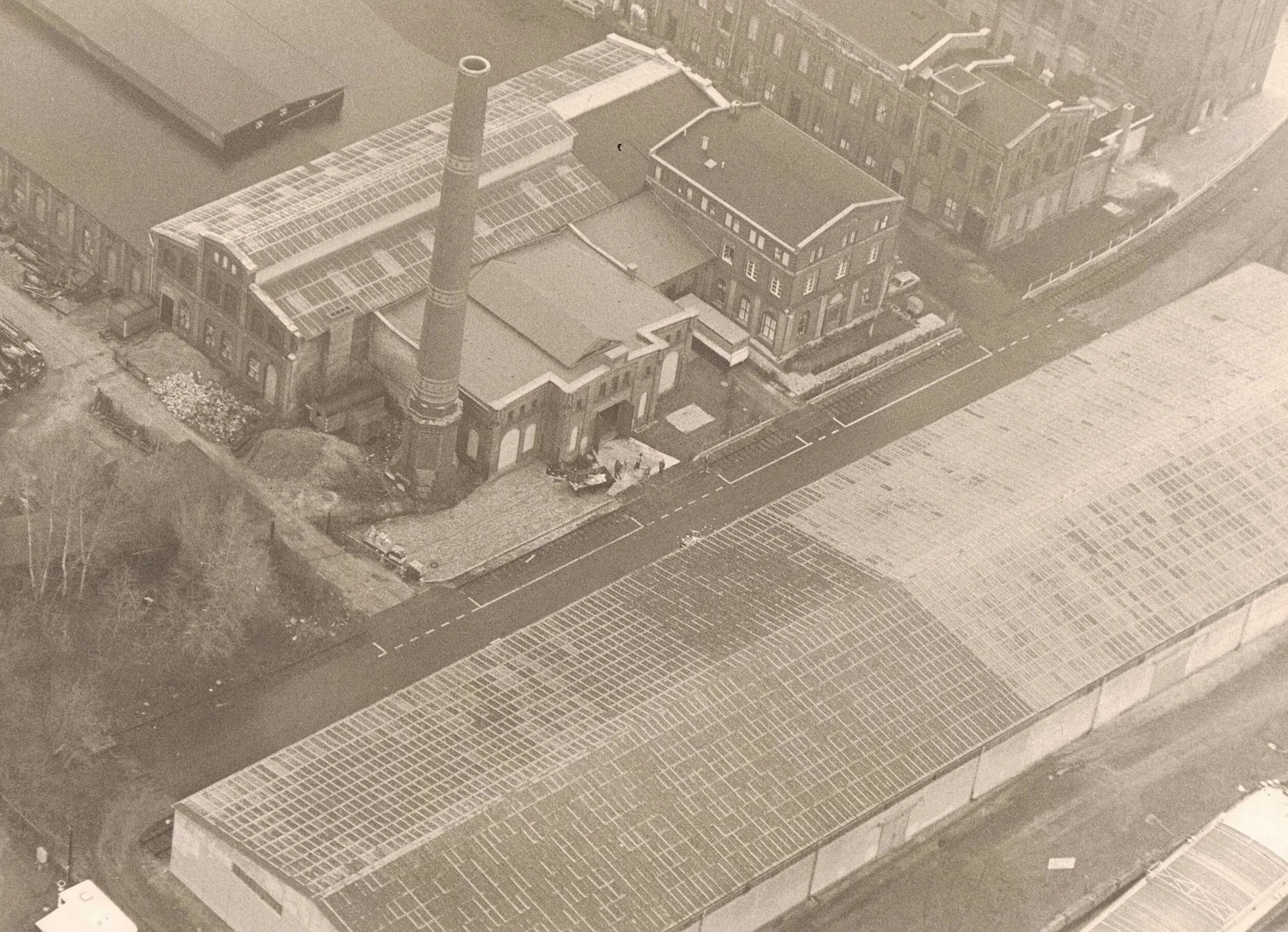 Then · 1981
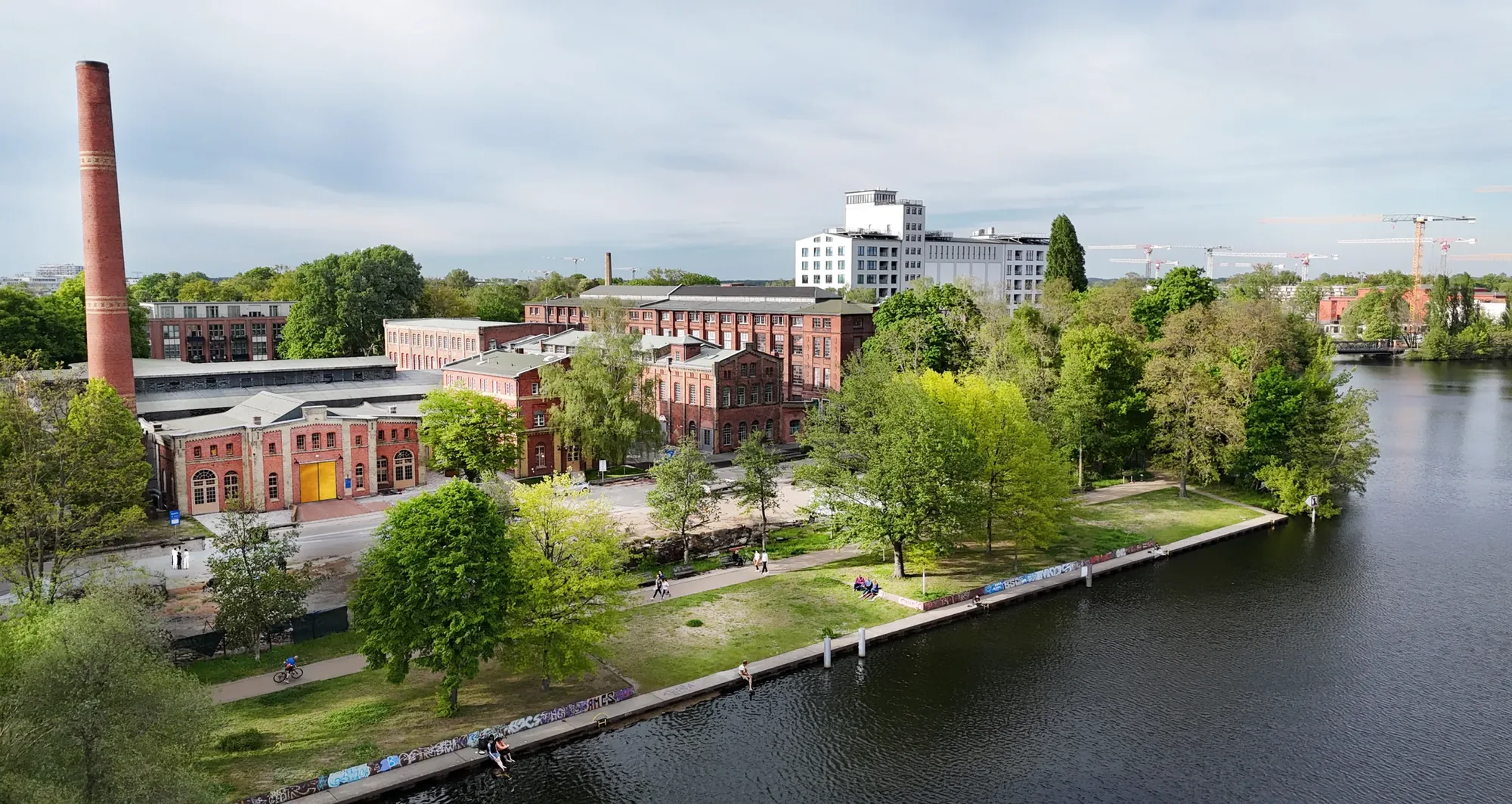 Today
Today
And today?
Where things that go bang were once produced, things that last are made today: ideas, products, culture.